

At NNIstudio, we rely on natural, renewable raw materials that give our designs not only exceptional durability, but also distinctive comfort and a luxurious feel. Each material is carefully selected to ensure that it meets the highest standards of sustainability and longevity. Combined with our excellent craftsmanship, we create garments that you can wear for years. This reduces the cost per use while protecting the environment. Our transparent supply chain and the conscious selection of limited raw materials are of utmost importance to us. For each model, we take the time to ensure the highest quality in a careful development process - fashion that lasts a long time, for you and the world.
Cotton
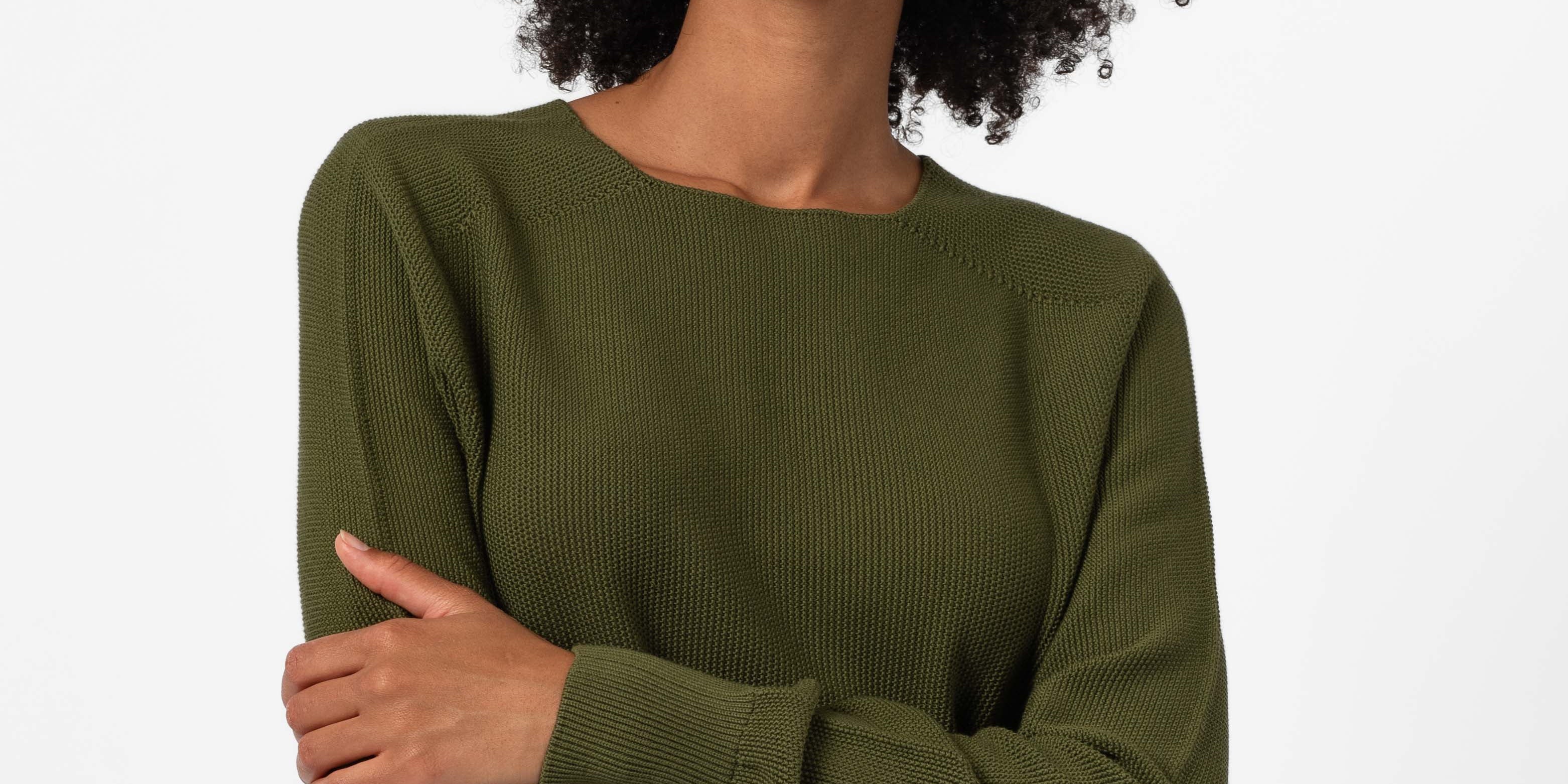
Cotton is one of the main materials we use for our collections. But conventional cotton production is problematic: it is often associated with the use of harmful pesticides that pollute both the soil and water and endanger the health of farmers. That's why at NNIstudio we only use certified organic cotton. This is grown under strict ecological and social standards, which not only benefits the environment but also improves the living conditions of farmers. By making this choice, we ensure that our cotton is not only of high quality, but also produced sustainably and responsibly.
Viscose & Co.
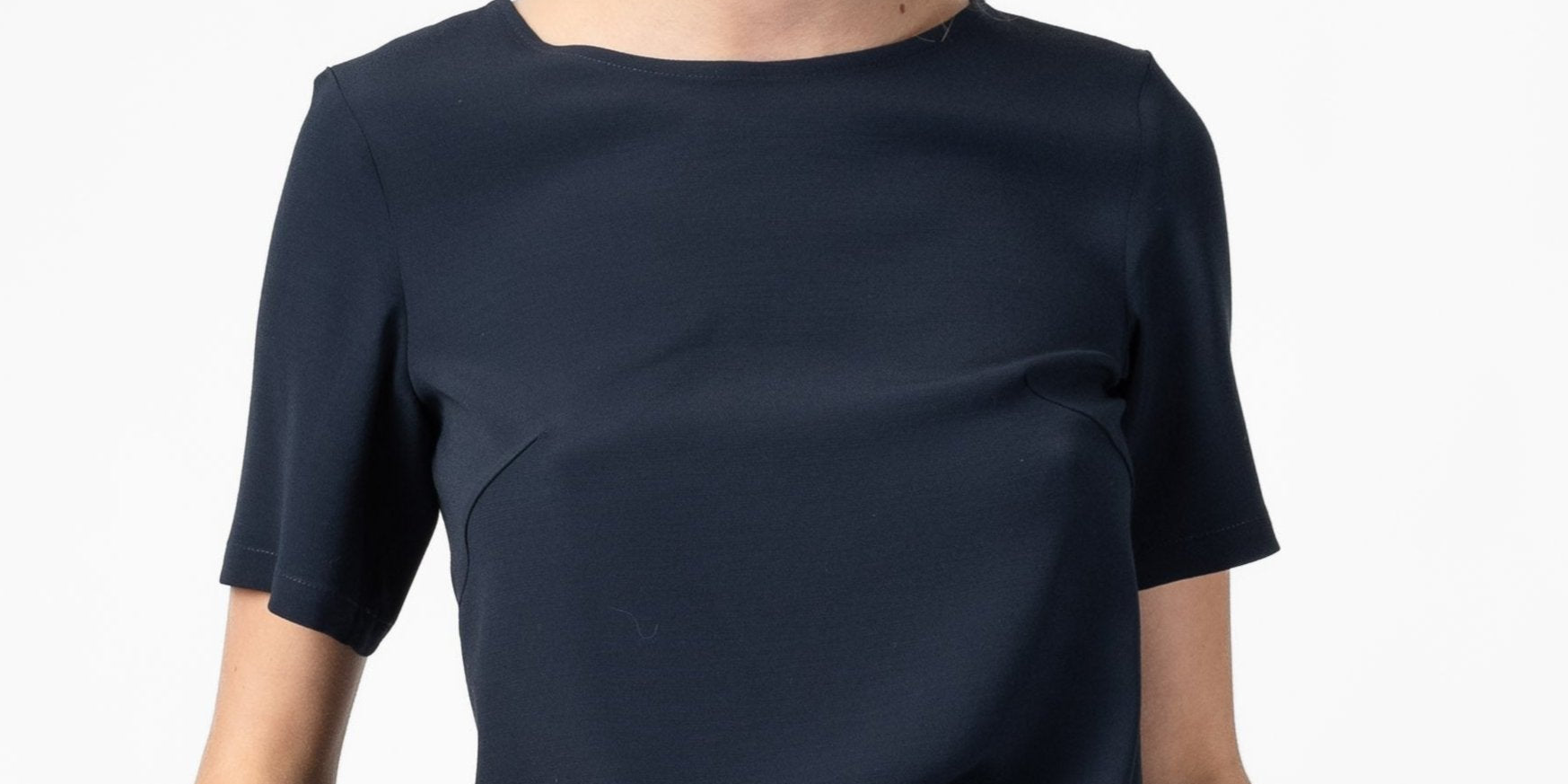
Man-made cellulose fibers such as viscose, lyocell and modal are made from tree pulp and are considered regenerated fibers. Our viscose products come from sustainable beechwood or bamboo , materials that grow back quickly and have a good carbon footprint. The process for lyocell (Tencel) and modal in particular is environmentally friendly as it works with a closed-loop system that releases almost no chemicals and drastically reduces water consumption. These materials not only offer excellent feel and breathability, but are also a step towards more sustainable fashion production.
Linen
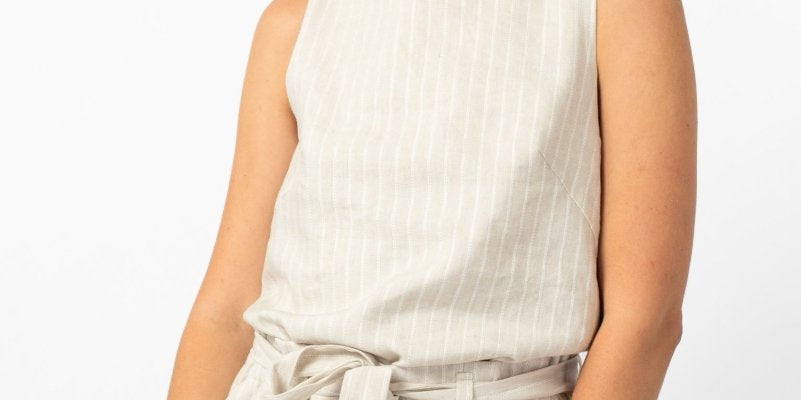
Linen is one of the most environmentally friendly natural fibers and one of our preferred materials. As a bast fiber, linen requires significantly less water than cotton and requires almost no pesticides. Linen production is more resource-efficient and relies on sustainable cultivation methods. Linen is also particularly durable, breathable and comfortable to wear - properties that make it an excellent choice for timeless, sustainable fashion.
Wool
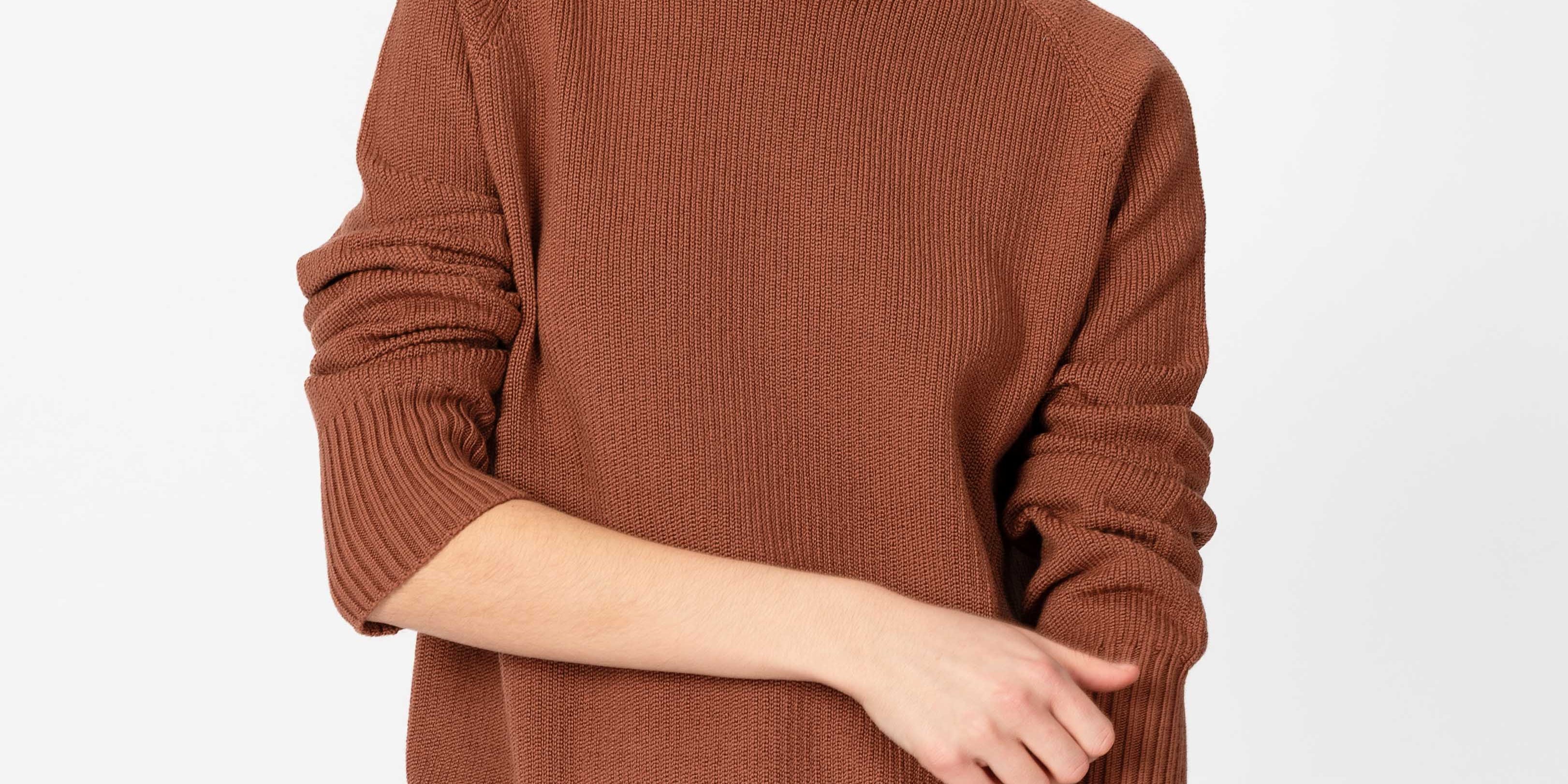
We place great importance on the ethical treatment of animals in our supply chain and work to understand and reduce climate-related impacts. Our commitment includes animal welfare, traceability in sourcing and responsible land use. Of course, our wool is mulesing-free, and we strictly avoid the use of fur, exotic animal skins and hair in our materials and products.
mixed fabrics
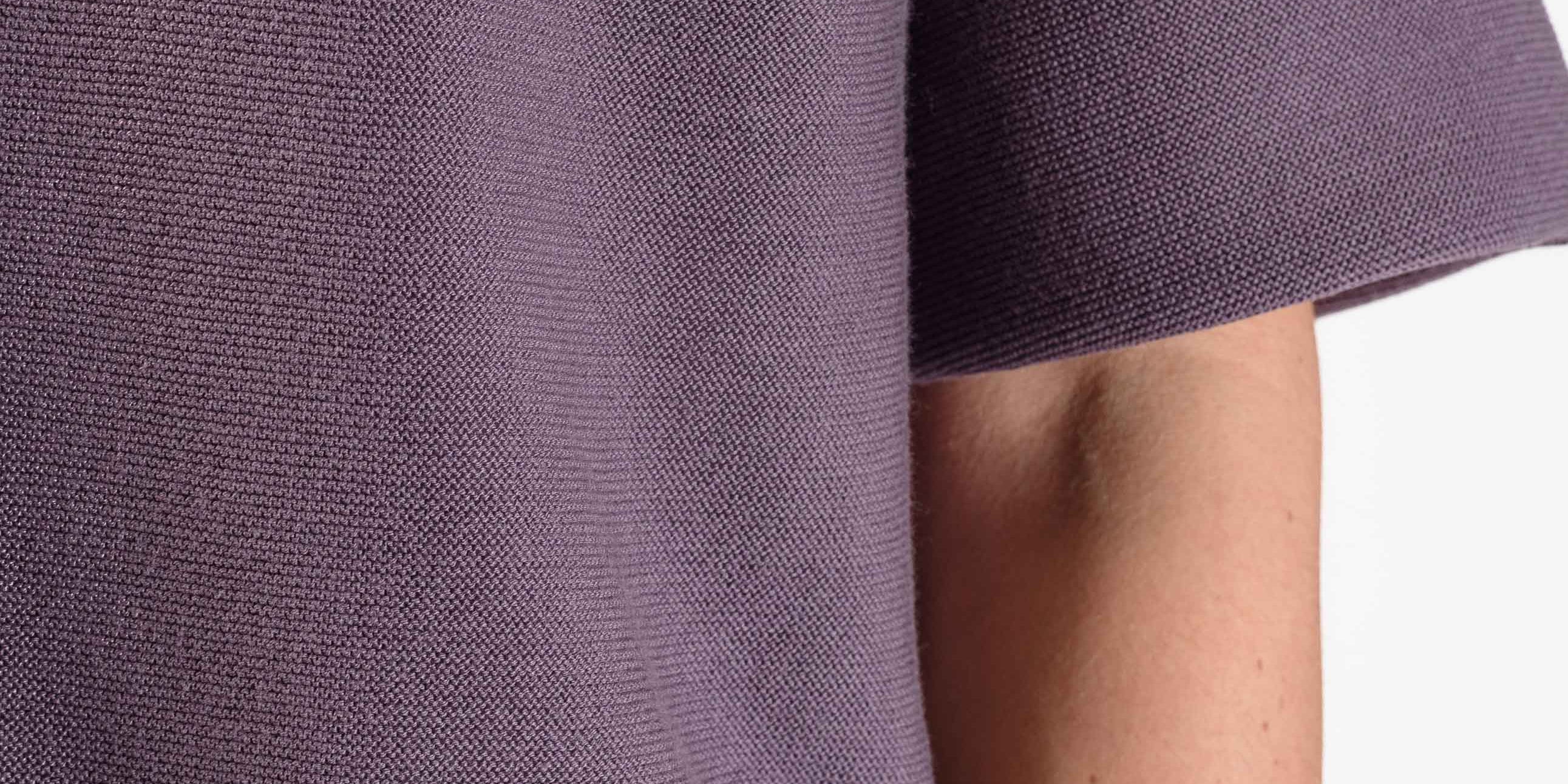
At NNIstudio, we rely on the power of pure, natural materials. But sometimes the search for the perfect wearing experience requires the strength of combination. The clever combination of different fibers creates garments that are not only particularly comfortable to wear, but also impress with their outstanding care properties. Our blended fabrics offer you the best of every fiber - for an optimal balance of comfort, durability and ease of care.
Cotton
Cotton is one of the main materials we use for our collections. But conventional cotton production is problematic: it is often associated with the use of harmful pesticides that pollute both the soil and water and endanger the health of farmers. That's why at NNIstudio we only use certified organic cotton. This is grown under strict ecological and social standards, which not only benefits the environment but also improves the living conditions of farmers. By making this choice, we ensure that our cotton is not only of high quality, but also produced sustainably and responsibly.
Viscose & Co.
Man-made cellulose fibers such as viscose, lyocell and modal are made from tree pulp and are considered regenerated fibers. Our viscose products come from sustainable beechwood or bamboo , materials that grow back quickly and have a good carbon footprint. The process for lyocell (Tencel) and modal in particular is environmentally friendly as it works with a closed-loop system that releases almost no chemicals and drastically reduces water consumption. These materials not only offer excellent feel and breathability, but are also a step towards more sustainable fashion production.
Linen
Linen is one of the most environmentally friendly natural fibers and one of our preferred materials. As a bast fiber, linen requires significantly less water than cotton and requires almost no pesticides. Linen production is more resource-efficient and relies on sustainable cultivation methods. Linen is also particularly durable, breathable and comfortable to wear - properties that make it an excellent choice for timeless, sustainable fashion.
Wool
We place great importance on the ethical treatment of animals in our supply chain and work to understand and reduce climate-related impacts. Our commitment includes animal welfare, traceability in sourcing and responsible land use. Of course, our wool is mulesing-free, and we strictly avoid the use of fur, exotic animal skins and hair in our materials and products.
mixed fabrics
At NNIstudio, we rely on the power of pure, natural materials. But sometimes the search for the perfect wearing experience requires the strength of combination. The clever combination of different fibers creates garments that are not only particularly comfortable to wear, but also impress with their outstanding care properties. Our blended fabrics offer you the best of every fiber - for an optimal balance of comfort, durability and ease of care.
Häufige Fragen zu Materialien
Warum setzt NNIstudio auf natürliche Materialien?
Wir gestalten Kleidung, die Dich viele Jahre begleiten soll. Dafür wählen wir Materialien wie Merinowolle, Bio-Baumwolle und Leinen mit Sorgfalt aus. Wir achten auf Tragegefühl, Pflege und die Eignung für das jeweilige Kleidungsstück.
Unsere Haltung: bewusst wählen, gerne tragen und lange erhalten.
Was ist der Unterschied zwischen konventioneller und Bio‑Baumwolle?
Der Unterschied liegt vor allem im Anbau. Bei konventioneller Baumwolle dürfen chemisch-synthetische Pflanzenschutzmittel und Dünger eingesetzt werden. Für zertifizierte Bio-Baumwolle gelten ökologische Anbauregeln, die deren Einsatz einschränken beziehungsweise ausschließen. Gentechnisch verändertes Saatgut ist ausgeschlossen.
Wir setzen auf zertifizierte Bio-Baumwolle. Welche Anforderungen darüber hinaus für Verarbeitung und Arbeitsbedingungen gelten, hängt vom jeweiligen Standard ab.
Ist Eure Wolle mulesingfrei?
Die Wolle, die wir für unsere Strickstücke verwenden, ist mulesingfrei. Bei der Auswahl unserer Partner achten wir auf einen verantwortungsvollen Umgang mit Tieren.
Bei Wollstoffen aus bestehenden Restbeständen, sogenanntem Deadstock, ist die Herkunft der Fasern teilweise nur eingeschränkt nachvollziehbar. Deshalb können wir für diese Stoffe die Mulesingfreiheit nicht bestätigen.
Mit ihrer Verwendung geben wir bereits vorhandenen Materialien eine Verwendung in unseren Kollektionen.
Woher stammen Eure Viskose‑ und Zellulosefasern?
Viskose, Lyocell und Modal werden aus Zellstoff hergestellt, der meist aus Holz gewonnen wird. Welche Holzarten verwendet werden und woher sie stammen, hängt vom jeweiligen Faserhersteller ab.
Auch die Herstellungsverfahren unterscheiden sich. Bei TENCEL™ Lyocell von Lenzing werden beispielsweise über 99% des eingesetzten Lösungsmittels zurückgewonnen und wiederverwendet. Das lässt sich nicht pauschal auf alle Zellulosefasern übertragen.
Für konkrete Angaben zur Herkunft unserer Materialien brauchen wir die entsprechenden Nachweise unserer Lieferanten. Buchenholz oder Bambus nennen wir deshalb nur, wenn die Herkunft für das jeweilige Material bestätigt ist.
Warum verwendet Ihr Mischgewebe?
Wir verwenden reine Naturfasern und ausgewählte Fasermischungen. Entscheidend ist, welche Eigenschaften zum jeweiligen Kleidungsstück passen.
Eine Kombination kann beispielsweise einen weichen Griff mit mehr Formstabilität verbinden oder die Pflege erleichtern. Wir wählen Mischungen gezielt dort, wo sie für den vorgesehenen Einsatz einen Mehrwert bieten.
Wie nachhaltig ist Leinen bei NNIstudio?
Leinen wird aus Flachs gewonnen. In den wichtigsten Anbaugebieten Westeuropas wächst die Pflanze überwiegend mit natürlichem Regen und benötigt in der Regel keine zusätzliche Bewässerung.
Wir beziehen unsere Leinengewebe aus Frankreich, um die Transportwege zu unserem Atelier in Trier kurz zu halten. Dabei achten wir auf eine hochwertige Webung und wählen jeden Stoff passend zum jeweiligen Schnitt aus.
Wir schätzen Leinen für sein luftiges Tragegefühl und seine natürliche Struktur. Mit sorgfältiger Verarbeitung und zeitlosen Schnitten gestalten wir daraus Kleidung, die Dich viele Sommer begleiten soll.
Was ist der Unterschied zwischen Wolle und Baumwolle?
Wolle ist eine tierische Naturfaser, zum Beispiel vom Schaf. Sie ist elastisch, hält warm und nimmt Feuchtigkeit auf, ohne sich sofort nass anzufühlen.
Baumwolle ist eine pflanzliche Naturfaser aus den Samenhaaren der Baumwollpflanze. Sie ist saugfähig und fühlt sich auf der Haut meist weniger wärmend an als Wolle.
Wie sich ein Kleidungsstück trägt, hängt auch vom Garn, der Webart oder Strickweise ab. Bei NNIstudio wählen wir Material und Verarbeitung passend zum Schnitt und zum vorgesehenen Einsatz.
About Us
supply chain
sustainability
Preiskalkulation
Care
Pflege-Guide
